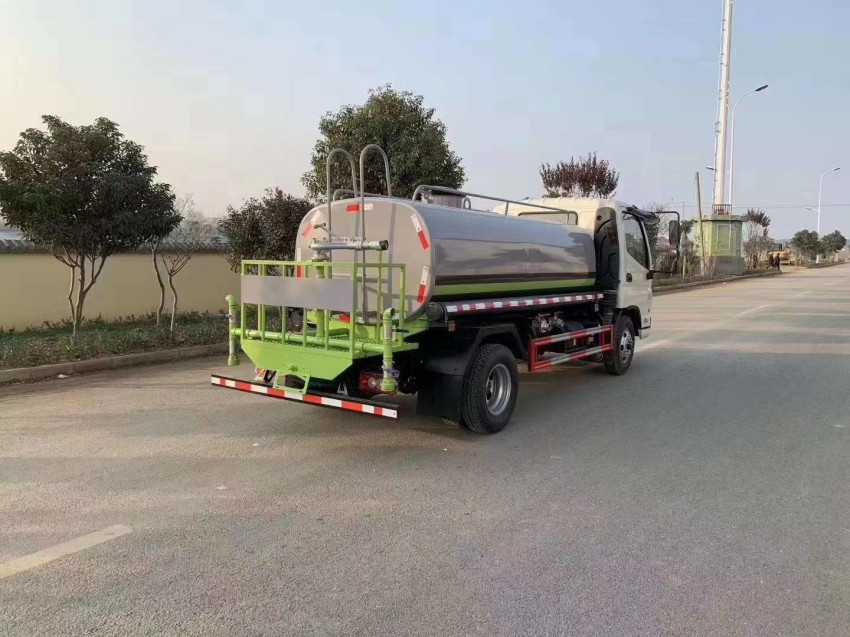
Imagine this: You are spraying a dust road, and you see a pedestrian or a parked luxury car coming up. You hit the switch to cut the side spray… but the water keeps blasting. You are now panic-braking to avoid a lawsuit.
Electrical and pneumatic failures are the ghosts in the machine. When a sprinkler won’t turn off (or won’t turn on), operators often bang on the valve with a wrench. Please, stop doing that. Let’s look at the actual cause, which is usually a fight between electricity and hydraulic pressure.
The “Won’t Turn Off” Scenario: Fighting Physics
The most common reason a valve won’t close isn’t a broken solenoid—it’s pressure locking.
If your engine is running at high RPMs (over 1,200), the water pressure against the valve diaphragm is immense. Many standard solenoids don’t have the magnetic force to push the plunger closed against that rushing wall of water.
My Rule: If the valve is stuck open, drop your RPMs to idle immediately. Usually, as soon as the pressure drops, you’ll hear the valve clunk shut. If you constantly try to switch valves at high RPMs, you will burn out the coils.
Electrical Gremlins: The Multimeter is Your Best Friend
If the valve won’t open at all, we need to test the solenoid.
1. The Click Test: Have someone flip the switch in the cab while you stand near the valve. Do you hear a sharp click?
Yes: The electrical signal is good. Your problem is mechanical—likely debris blocking the diaphragm or a seized plunger.
No: You have an electrical issue.
2. Check the Coil: Use a multimeter to check the resistance of the solenoid coil. If it reads “Open” (infinite resistance), the internal wire is broken. These coils get hot and vibrate all day; they are a consumable item. Keep spares in the glove box.
Debris: The Silent Killer
Where are you filling up? If you are drafting from a pond or a creek, you are sucking up silt and tiny rocks. A rock the size of a pea can get wedged in the solenoid diaphragm, preventing it from sealing. This causes a constant weep or dribble. If you draft from dirty water, you absolutely must have a Y-strainer on your suction line, or you will be taking apart valves every week.
We are moving away from simple on/off switches. The new standard is CAN-bus integrated controls. These systems monitor the voltage going to your valves. They can tell you “Short to Ground” or “Open Circuit” right on the dashboard display before you even leave the yard. It’s an investment, but it beats climbing under a wet truck in the mud to test wires.