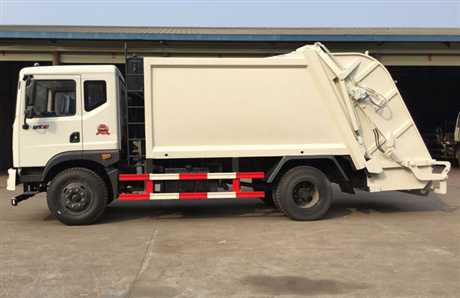
If you’ve managed a fleet for any length of time, you know that an automated side loader (ASL) is a productivity marvel—until it isn't. I’ve seen these machines clear entire neighborhoods in record time, only to be sidelined by a $50 seal. When we talk about the most common problems with automated side loaders, we aren't just talking about wear and tear; we're talking about a complex interplay of high-pressure hydraulics and sensitive electronics.
According to industry data, nearly 45% of all technical failures in these trucks are rooted in the hydraulic drive. In this guide, I’ll walk you through the diagnostic logic I use to get these rigs back on the road, drawing directly from the deep technical specs that the "parts changers" usually ignore.
The Hydraulic Heart: Why 45% of Failures Start Here
The hydraulic system is the lifeblood of an ASL. It’s also the most vulnerable. My records show that within the hydraulic category, 34.92% of failures occur specifically in the hydraulic cylinders.
Cylinder Drift and Internal Leaks
If you notice your packer panel or arm "creeping" from its neutral position, you’re dealing with hydraulic drift. This is rarely a ghost in the machine; it’s almost always an internal leak in the piston seals or valves. This "stick-slip" movement doesn't just slow you down—it creates uneven friction that can shake the chassis apart over time.
Cavitation: The Sound of a Dying Pump
If your pump starts sounding like it's "chewing marbles," stop immediately. This is cavitation. It happens when the pump is starved for fluid—often because a technician left the suction line ball valve partially closed, or because the oil is foaming due to air entry. Pro tip: I’ve seen $10,000 pumps destroyed in minutes because someone forgot that failure to fully open the main tank valve causes immediate damage, even if the pump is supposedly "off".
Automated Arm & Gripper Malfunctions
The "automated" part of the side loader is what makes it efficient, but the gripper and arm assembly are high-maintenance zones.
The "Weak Grip" Syndrome
When a gripper won't hold a 96-gallon cart, most people blame the pump. But first, I check the suction line filter. If that 100-mesh strainer at the bottom of the tank is clogged with shop rags or debris, your arm will move like it’s underwater.
The Interlock Trap
ASLs are built with safety "interlocks." In many units, like those used in Tacoma, the arm won't cycle unless the "body interlock" button is engaged simultaneously with the controls. If your arm is completely dead, check the electrical continuity of these switches before you start tearing apart the valve bank.
Expert Differentiation: The Hidden Technical Traps
This is where the pros separate themselves from the amateurs. There are two phenomena I’ve encountered that are completely counter-intuitive.
1. The "Dieseling" Phenomenon
Have you ever pulled a cylinder apart and found the seals looked burnt, even though the oil temperature was normal? That is dieseling. When air gets trapped in the hydraulic fluid and is subjected to a rapid pressure change of just 600 PSI, the air-oil mixture can spontaneously ignite. These micro-explosions eat your seals from the inside out. My advice: Always bleed the system at reduced engine speed after any repair to get that air out.
2. The Sensitivity of the Resistance Cartridge
The resistance cartridge is what allows your ejector blade to drift forward as the truck fills up, ensuring you get maximum payload density. This valve is incredibly "nervous." I’ve found that a mere 1/8 turn of the adjuster screw can change the pressure setting by 75 PSI. If your payloads are light, your resistance is too low. If your packer is stalling, it’s too high. Adjust with extreme patience.
Electrical Failures and Sensor Misalignment
ASLs operate in the worst possible environment: vibration, moisture, and corrosive waste.
• Joystick Integrity: Most "slow movement" complaints are actually electrical. A frayed wire in the joystick harness can cause the signal to drop, making the arm movement erratic.
• The 3/16" Rule: The proximity switches that tell the cab the tailgate or arm is home are sensitive. If the gap between the plate and the switch exceeds 3/16 inch (4.8 mm), the light won't trigger, and the whole system might lock you out for safety.
Conclusion: Prevention Over Repair
Solving the most common problems with automated side loaders isn't about working harder; it's about working smarter. You need to respect the "Danger Zone" and the sheer force of these machines—standard packer blades can apply 30 to 40 tons of force, which is enough to flatten a car.
Next Step for Your Fleet: Don't wait for the "chewing marbles" sound. Implement a weekly check-out procedure. Have your drivers check the hydraulic fluid level daily with the packer in the "interrupted cycle" position. Catching a $200 filter replacement in the red zone today will save you from a $15,000 engine and pump overhaul next month.