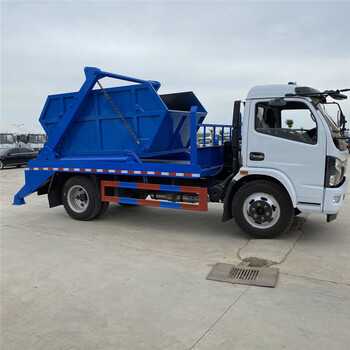
I’ve spent a decade managing heavy-duty fleets, and I can tell you that a truck is only as reliable as the last time a tech got under it with a grease gun. In the refuse world, maintenance costs are staggering—Detroit alone spends over $7.7 million annually just to keep their rigs moving. If you want to avoid being part of that statistic, you need a rigorous garbage truck preventive maintenance checklist to catch small leaks before they turn into $10,000 pump failures.
Think of your truck as a high-pressure athlete; it needs clean "blood" (hydraulic fluid) and solid joints (greased pivots) to handle the 30 to 40 tons of force its packer blade exerts every single cycle. Here is how I structure a pro-level PM program to keep your fleet out of the shop and on the route.
Phase 1: The Daily "Walk-Around" Safety Aud
I tell my drivers that the most important tool they have is their eyes. Before the engine even warms up, a visual sweep is non-negotiable.
• The $10,000 Ball Valve Check: I’ve seen entire pumps destroyed in seconds because someone started the truck with the suction line valve closed. Always verify the suction line ball valve is 100% open before engaging the PTO.
• Fluid Level Logic: Check your hydraulic oil daily with the packer in the "interrupted cycle" position and the ejector fully retracted. If it looks "milky," you’ve got water contamination that will eat your valves from the inside out.
• Lights and Alarms: Test every strobe, turn signal, and the backup alarm. If that Tailgate Ajar light is on, the truck doesn't leave the yard.
• Mechanical Pins: Ensure the tailgate locking pins are in place. For units like the RotoPac, using the machine without pins is a catastrophic safety risk.
Phase 2: Weekly Deep-Dive and Lubrication
Once a week, or every 50 operating hours, I bring the truck in for a more intensive look at the "heart" of the machine.
Hydraulic and Pneumatic Service
• Air Breather Maintenance: The hydraulic tank breather is often ignored, but a clogged cap creates a vacuum that starves the pump. Clean it weekly and replace it every 12 months.
• The "Red Zone" Rule: Check the return line filter indicator. If that needle is in the red, you replace the element immediately, regardless of the schedule.
• Air Tank Drainage: Refuse trucks cycle their air systems more than almost any other vehicle. Drain all air tanks daily to prevent moisture buildup in your brake and throttle advance lines.
The Weekly Greasing Ritual
I recommend using a high-quality EP No. 2 lithium grease for all points except the control levers, which usually need a lighter SAE 10 oil.
• PTO and Drive Shafts: Lubricate all moving parts on the PTO shaft to prevent vibration-induced failures.
• Critical Pivot Points: Hit the sweep panel pivot pins and the upper/lower cylinder rod ends.
• Track Bars: Keep the roller tracks clean and dry. Greasing the tracks is a mistake—it causes the rollers to slide instead of roll, leading to flat spots.
Phase 3: Monthly Audits and Structural Integrity
Every 30 days, I shift focus from the moving parts to the "bones" of the truck.
• Lifting Hook Audit: If you use a container lifting system, measure the hook’s throat opening. If the throat opening has increased by more than 8%, or the hook has a 10-degree twist, it's scrap.
• Ladder Bolt Inspection: Check the bolts on your side ladders. Vibration is a silent killer here, and a loose bolt can lead to a technician fall.
• Tire Pressure Precision: Don't just "thump" them. Use an accurate gauge to hit 120 PSI (or your specific spec) to prevent heat-related blowouts under heavy loads.
Expert Differentiation: Understanding the "Invisible" Killers
To be a top-tier fleet manager, you have to look for things that aren't in a basic manual.
The Blotter Spot Test
I don't just wait for the yearly oil change. I perform a "Blotter Test" for oxidation. By placing a drop of hydraulic fluid on white paper, I look for distinct rings. If a dark spot remains in the middle with lighter fluid migrating outward, the oil is dumping sludge into your system and needs to be swapped immediately.
The 600 PSI Dieseling Threshold
If you find burnt or melted seals during a repair, you are likely a victim of dieseling. When air is trapped in the oil and rapidly compressed (even a 600 PSI change is enough), it can spontaneously ignite. This is why I insist on bleeding the system at reduced engine speed after any hydraulic repair.
Performance Monitoring (Cycle Timing)
A healthy R-III series should have a pack cycle time of 23 to 26 seconds at an advanced throttle of roughly 1400 RPM. If your cycle is creeping up to 30 seconds, your pump is likely losing efficiency or you have an internal leak in the cylinder piston seals.
Conclusion
A comprehensive garbage truck preventive maintenance checklist is the only way to ensure your payload stays high and your repair bills stay low. Remember, 90% of all hydraulic problems can be traced back to the fluid. By strictly managing oil cleanliness and adhering to a "Safety First" lubrication schedule, you protect your drivers and your bottom line.
My Professional Advice: Start a "Service Record" for every unit today. Don't just fix what breaks; use data like cycle times and oil analysis to predict when a component is about to fail.
Next Step: Equip every one of your trucks with a permanent wheel chock and a lockout/tagout kit. No tech or driver should ever enter the hopper area without the engine shut down and the keys in their pocket.