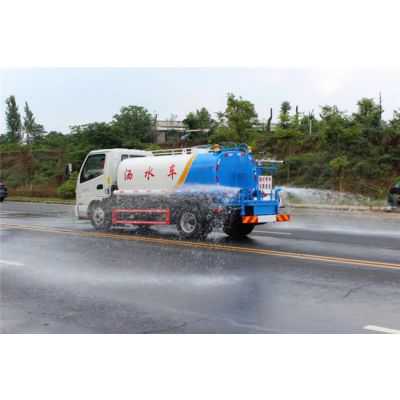
You flip the switch, the PTO light on the dash glows amber, but your spray heads are dry and the pump is silent. It’s a classic headache on the job site. Before you call for a tow or a mechanic, walk through this detailed diagnostic checklist. We’ve pulled specific technical parameters from heavy-duty water truck operations (referencing TLS series and QC/T standards) to help you diagnose the issue accurately.
1. Verify the Pneumatic and Mechanical Linkage
Just because the PTO indicator light on your dash is on doesn’t mean the gears are meshed. Modern systems often use pneumatic ball valves and switches that rely on specific air pressures.
The “5-Second” Clutch Rule: According to standard operation manuals for heavy-duty transmissions (like the Fast 7DS series), you must depress the clutch pedal fully and wait for approximately 5 seconds before flipping the PTO switch. This allows the countershaft to slow down, preventing gear clash. If you rush this step, the PTO solenoid may fail to engage the teeth fully.
System Air Pressure: Modern water trucks utilize air-controlled ball valves for PTO engagement. If your chassis air pressure drops below 0.6 MPa (approx. 87 PSI), the low-pressure protection valve may physically prevent the PTO from engaging to protect the transmission, even if the electrical switch is active. Always check your dash gauge; the warning light usually extinguishes only when pressure exceeds 590 kPa.
2. Diagnosing “Air Lock” vs. Mechanical Failure
If the driveshaft between the PTO and pump is spinning but no water moves, you are dealing with a priming issue, not a seizure.
The Suction Lift Limit: Standard self-priming centrifugal pumps have physics-based limitations. Industry standards dictate that the vertical suction height (from the water surface to the pump inlet) must be less than 4 to 5 meters (approx. 13-16 feet),. Exceeding this height makes it physically impossible for the pump to create the necessary vacuum.
Leak Testing: Even a pinhole leak prevents priming. To test this, perform a seal tightness test: with the pump running, close the outlet valve. If the system cannot hold pressure or if water drips from the pump casing drain valve, you have a vacuum leak.
3. Winter Hazards: The Frozen Impeller
In winter conditions (below 0°C), water left in the pump casing can freeze the impeller to the housing.
The Risk: If you engage the PTO while the impeller is frozen, you will shear the driveshaft bolts or destroy the PTO gears.
The Fix: You must open the drain cock at the lowest point of the pump after every shift to drain all water. If frozen, use hot water or steam to thaw the casing before engaging the engine.